A Compassionate, Medical Perspective from Alevia
If you’ve ever wondered, “How do I lose belly fat?”—you’re not alone. At Alevia Medical Weight Loss, we meet many individuals who are deeply motivated to improve their health, energy, and quality of life. And for many, the abdominal area becomes a focal point of that journey.
Whether it’s a concern raised after a GP appointment, a health screening, or just a feeling of physical discomfort or self-consciousness, wanting to address belly fat is both common and completely valid. But just as important is how we address it—medically, realistically, and with compassion.
Why Belly Fat Isn’t Just About Looks
Let’s start by acknowledging a reality: the desire to reduce belly fat isn’t just about aesthetics. It’s often about feeling more in control, physically comfortable, and confident in your body.
But medically, there are very real reasons why excess belly fat matters. In particular, two types of fat are worth understanding:
Subcutaneous fat: This is the layer just beneath the skin. It’s the soft fat you can pinch around your waist. While less harmful than visceral fat, excess subcutaneous fat can still signal imbalances in nutrition, hormones, or metabolism.
Visceral fat: This fat surrounds internal organs. It’s deeper and more metabolically active, and it’s linked to a higher risk of serious health conditions, such as:
Type 2 diabetes
Heart disease
Insulin resistance
Fatty liver disease
Hormonal disruption
For these reasons, reducing belly fat can offer more than a change in appearance—it can represent a shift toward preventing chronic disease, increasing vitality, and enhancing your overall wellbeing.
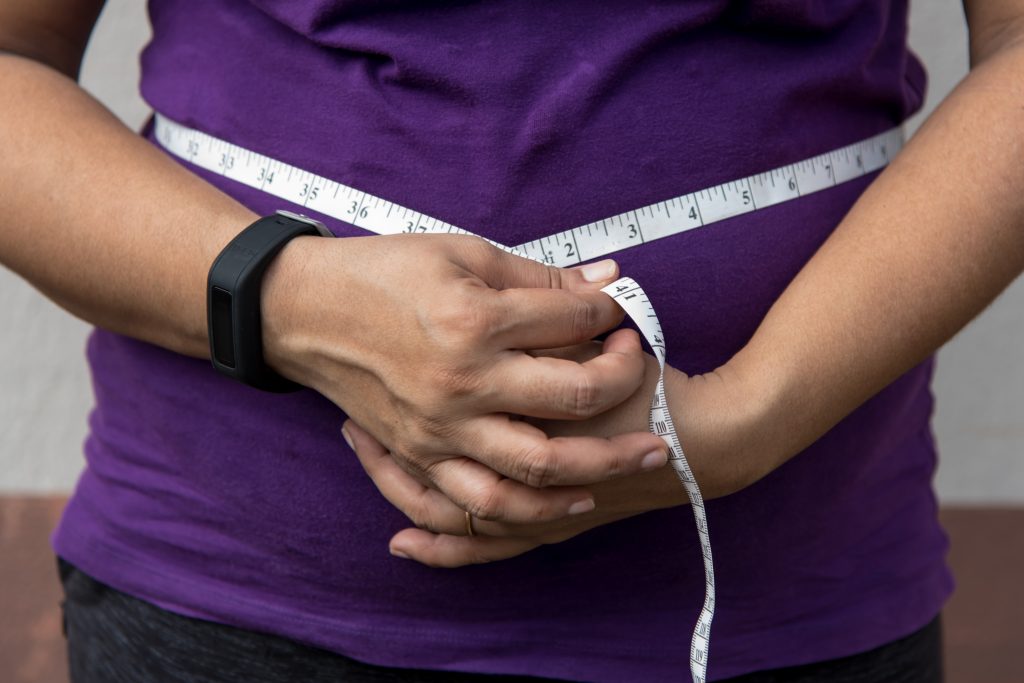
How to Measure Progress: It’s Not Just About Scales
It’s easy to get fixated on a number on the scale, but weight alone doesn’t tell the full story. A better way to assess abdominal fat and risk is to measure your waist.
For many Australians, a waist circumference greater than:
94 cm for men
80 cm for women
…can signal an increased risk of weight-related health concerns.
At Alevia, we use waist measurements, body composition scans, and clinical assessment—not just BMI—to provide a full picture of metabolic health. This lets us individualise care and track the right kind of progress.
Why Spot-Reduction is a Myth
One of the biggest misconceptions we hear is that you can “target” belly fat with specific exercises. The reality is: you cannot spot-reduce fat.
Doing 100 crunches a day may strengthen your core muscles—but it won’t selectively burn belly fat. Fat loss occurs systemically, meaning your body decides where it releases fat based on genetic, hormonal, and metabolic factors. Often, the belly is the first place fat accumulates—and the last place it sheds. That can be frustrating, but it’s completely normal.

So… How Do You Actually Lose Belly Fat?
There’s no single solution—but there is a sustainable, proven path forward. At Alevia, we support people who are ready to lose weight not through quick fixes, but through evidence-based care and multidisciplinary support.
1. Nourish Your Body with a Sustainable Eating Pattern
A common contributor to belly fat is a diet high in added sugars, processed foods, and low in fibre and protein. We help clients shift toward:
Whole, nutrient-dense meals rich in vegetables, lean protein, and healthy fats
Portion awareness without extreme restriction
Reducing ultra-processed foods, refined carbs, and sweetened drinks
Supporting gut and metabolic health
You don’t have to go keto or skip entire food groups. We focus on realistic strategies you can maintain long term.
2. Move Your Body in a Way That Works for You
Exercise plays a role in reducing both subcutaneous and visceral fat—but consistency is more important than intensity. We recommend:
Cardio activities like brisk walking, swimming, or cycling to support fat oxidation
Strength training 2–3 times per week to build lean muscle and improve insulin sensitivity
Incidental movement (walking meetings, household chores, dancing) to increase daily energy expenditure
Activities you genuinely enjoy, so you’ll stick with them
You don’t need a gym membership or to punish your body—progress over perfection is what counts.
3. Prioritise Stress and Sleep Management
Many people don’t realise that stress and sleep are deeply linked to belly fat—especially visceral fat. Chronic stress raises cortisol, a hormone that promotes abdominal fat storage.
Consider:
Regular relaxation practices like meditation, breathwork, or journaling
Reducing screen time before bed and setting a sleep routine
Seeking support if mental health challenges are interfering with rest or self-care
We take a whole-person approach, because emotional health is inseparable from physical wellbeing.

Why Medical Support Makes a Difference
Sometimes, even with your best efforts, your body may resist weight loss. This isn’t a personal flaw—it’s often a complex interaction of biology, environment, and behaviour. At Alevia, we’re here to help unravel those complexities.
Medical support might be the right next step if you:
Are dealing with chronic obesity or stubborn belly fat that doesn’t shift despite lifestyle changes
Suspect underlying health conditions like PCOS, insulin resistance, or thyroid issues
Have experienced weight regain after dieting or bariatric surgery
Want a professional, evidence-based approach rather than another diet
Our team of GPs, dietitians, psychologists, and nurse practitioners offer:
Medical assessments and lab testing
Personalised treatment plans
Pharmacological options (where appropriate)
Behavioural and psychological support
Regular monitoring, education, and encouragement
We’re not here to offer quick fixes—we’re here to be partners in your health journey, for the long haul.
Self-Compassion is a Tool—Not a Weakness
A final word, and perhaps the most important: Be kind to yourself.
Belly fat is not a moral failing. It’s not a sign of laziness or lack of willpower. It’s a symptom—a result of complex internal and external factors that we can address together, with respect and realistic expectations.
Self-compassion improves motivation, mental health, and your ability to maintain lifestyle changes. So we encourage all clients to:
Track progress with patience, not punishment
Celebrate small wins like better energy, mood, or sleep
Set goals that align with how you want to feel, not just how you want to look
Final Thoughts: A Medical Partner in Your Corner
If you’re asking, “How do I lose belly fat?”—we want you to know: you’re not alone, and you don’t have to do this alone.
At Alevia Medical Weight Loss, we offer a multidisciplinary, compassionate, and science-backed path toward long-term change. Whether you want to reduce belly fat, manage a chronic condition, or simply feel better in your skin, we’re ready to meet you where you are—with no judgement and every encouragement.
Together, we can focus not just on weight loss—but on health gain, strength, and sustainable transformation.
Book a consultation today and take the next step toward a healthier, more confident you. Your future self will thank you.