You’ve probably experienced it. You go to the doctor with knee pain, and without examining you properly, they tell you to lose weight. You mention you’re exhausted all the time, and they assume it’s because of your weight – not bothering to check for thyroid issues, sleep apnoea, or other medical causes. You avoid making appointments because you’re tired of being lectured, blamed, or made to feel ashamed.
If this sounds familiar, you’re not alone. Weight bias in healthcare is real, it’s widespread, and it causes genuine harm. It delays diagnoses, prevents people from seeking necessary care, and makes effective treatment much harder to access.
What Weight Bias Actually Looks Like
Sometimes, weight bias is obvious – rude comments, eye rolls, audible sighs when a healthcare provider consults with you. Sometimes it’s more subtle: assumptions about your eating habits without asking, attributing every symptom to your weight without proper investigation, or offering less time and attention than they’d give other patients.
It shows up in the physical environment, too. Chairs with arms so narrow you can’t sit comfortably in the waiting room. Gowns that don’t provide adequate coverage. Blood pressure cuffs that are too small give inaccurate readings. Scales that max out, requiring you to use a freight scale. More often than not, people in bigger bodies are not considered.
Weight bias appears in language choices too – using stigmatising terms, referring to someone as “an obese patient” rather than “a patient with obesity,” or making assumptions about lifestyle without asking questions first.
Healthcare Providers Aren’t Immune
You might think doctors would be different – more educated, more objective, more compassionate. Unfortunately, research shows that healthcare providers hold the same weight biases as the general population. Studies using implicit bias tests reveal that many doctors unconsciously associate obesity with laziness, lack of discipline, and poor willpower.
Even healthcare professionals specialising in obesity care often show these biases. One study found that some doctors spend less time with patients at higher weights and view these appointments as less rewarding. Medical students and residents sometimes describe patients with obesity as “noncompliant” or “lacking motivation” before they’ve even met them.
The implicit nature of this bias is particularly problematic. Well-meaning providers who consciously reject weight stereotypes can still harbour unconscious biases that affect their clinical decisions and interactions with patients.
The Real-World Harm
Weight bias can be really hurtful. But there are more dangerous implications. Weight bias can have serious medical consequences.
People who’ve experienced weight stigma from healthcare providers avoid medical appointments. They skip routine screenings. They delay seeking care when symptoms appear, sometimes until conditions become serious. Research shows that women at higher weights are less likely to receive recommended cancer screenings, and when they do get screened, they’re more likely to have later-stage diagnoses because they waited longer to seek care.
Missed diagnoses are another serious problem. When providers attribute every symptom to weight without proper investigation, they miss other conditions. There are documented cases of patients with cancer, autoimmune diseases, fractures, and other serious conditions being told repeatedly to just lose weight – without receiving the diagnostic workup that would have revealed the real problem.
By the time some of these conditions are properly diagnosed, they’ve progressed to stages that could have been prevented with earlier detection. This is actually happening to real people who deserve better care.
Patients at higher weights are also less likely to be referred for specialist care, less likely to receive certain diagnostic tests, and more likely to receive weight loss lectures for unrelated conditions. Someone with a sprained ankle shouldn’t need to sit through a weight loss lecture before getting treatment for their injury.
Why “Just Lose Weight” Isn’t Medical Care
Here’s what many healthcare providers don’t understand: obesity is a complex, chronic medical condition influenced by genetics, hormones, environment, medications, other medical conditions, and numerous factors beyond individual control.
Genetics alone account for 40-70% of the variation in body weight between individuals. Over 200 genes have been associated with obesity. Some people have genetic variants affecting hormones that regulate hunger and satiety, making it extremely difficult to maintain lower body weights without medical intervention.
Many commonly prescribed medications cause significant weight gain – antipsychotics, antidepressants, mood stabilisers, steroids, insulin, and others. When doctors prescribe these medications without acknowledging their weight effects or providing strategies to manage them, they’re contributing to a problem they later criticise patients for having.
Medical conditions like thyroid disorders, PCOS, Cushing’s syndrome, and many others can cause weight gain or make weight loss extremely difficult. Simply telling someone to “eat less and move more” without investigating these underlying causes is inadequate care.
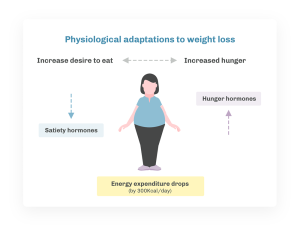
The research is clear: approximately 95% of people who lose weight through diet and exercise alone regain it within five years. This isn’t because people lack willpower – it’s because the body has powerful biological mechanisms that defend against weight loss. Treating this biological reality as a personal failing is both scientifically inaccurate and deeply harmful.
What Good Care Looks Like
Healthcare providers who understand obesity as a medical condition approach care completely differently.
They conduct thorough assessments – looking at metabolic health, hormonal factors, medications that might affect weight, and underlying conditions. They take a comprehensive history including family patterns, weight trajectory over time, previous weight loss attempts, eating patterns, activity levels, sleep quality, stress, and psychological factors.
They provide appropriate medical equipment so they can actually examine patients properly. They offer effective treatment options – behavioural support, nutritional counselling, medications when appropriate, and referrals for surgical options when indicated. They follow up regularly, adjust treatment based on response, and treat weight management as the ongoing medical care it is.
Good care also means addressing weight sensitively and appropriately. Not every patient is ready to discuss weight management at every visit. Providers should assess patient readiness and interest rather than assuming every patient wants weight loss counselling at every interaction.
What You Can Do
You have the right to respectful, competent medical care regardless of your body size. If you experience weight bias:
Ask that your concerns be documented exactly as you describe them, without automatic attribution to weight. Request specific diagnostic reasoning for why weight loss is being recommended. Ask what treatment would be offered to a patient at a lower weight with the same symptoms.
Seek second opinions when you feel your concerns aren’t being taken seriously. You’re entitled to proper investigation of symptoms regardless of your body size.
Consider bringing a support person to appointments if you anticipate difficult interactions. Having an advocate present can help ensure your concerns are heard and addressed appropriately.
You can also report discriminatory treatment to the practice manager or relevant professional bodies. While this takes courage, reporting helps document patterns of bias and can lead to necessary changes.
Things Are Slowly Changing
Medical education is gradually improving. Some medical schools now include better obesity education that presents obesity as a disease requiring medical treatment, not just a lifestyle issue. Professional organisations are publishing guidelines emphasising evidence-based, patient-centred care.
In Australia, the RACGP has developed resources for GPs on obesity management that emphasise treating obesity as a chronic medical condition. These resources provide guidance on appropriate assessment and treatment delivered with dignity and respect.
But change is slow. Many practising doctors received training that was heavily biased and haven’t updated their knowledge as science has advanced. That’s why finding healthcare providers who actually understand obesity medicine is so important.
How Alevia Is Different
At Alevia Medical Weight Loss, our entire approach is built on understanding that weight bias has no place in medical care. Founded by Dr. Catherine Bacus, former Chair of the RACGP Specific Interest Group for Obesity Management, our clinic exists specifically to provide evidence-based care to patients living with obesity, delivered with compassion and respect.
Every member of our team receives specific training on recognising and eliminating weight bias. We actively work to identify unconscious biases through ongoing education and reflection, because we understand that even well-intentioned providers can harbour biases that affect care.
We conduct comprehensive assessments that look at your metabolic health, medical history, medications, hormonal factors, and all the variables that affect weight. We never assume we know your eating or activity patterns – we ask. We don’t make judgments about your effort or commitment based on your weight.
Our treatment recommendations are evidence-based and individualised. We offer behavioural support, nutritional counselling, appropriate medications when indicated, and referrals for surgical options when appropriate. We follow up regularly, adjust treatment based on your response, and provide ongoing support throughout your journey.
Most importantly, we listen. Every patient deserves to be heard, to have their concerns taken seriously, and to receive care that addresses actual health needs rather than assumptions based on body size. We understand that many of our patients have experienced weight bias before, and we work actively to create a different experience – one characterised by dignity, respect, and genuine partnership.
Frequently Asked Questions
How do I know if I’m experiencing weight bias or if my doctor is just trying to help?
Weight bias involves making assumptions without proper assessment, attributing unrelated symptoms to weight without investigation, or treating you dismissively. A provider genuinely helping would conduct thorough diagnostic workups, ask about your history and circumstances, offer evidence-based treatment options, and treat you with the same respect and thoroughness they’d show any patient.
What should I do if I’ve been avoiding the doctor because of past negative experiences?
You’re not alone – many people delay care after experiencing weight stigma. Consider looking for healthcare providers who specialise in weight-inclusive care or obesity medicine, as they’re more likely to provide respectful, evidence-based treatment. You can also bring a support person with you, prepare questions in advance, and be clear about what kind of care you’re seeking.
Can I refuse to be weighed at medical appointments?
Yes, you can decline to be weighed if it’s not medically necessary for your visit. For some appointments (like medication dosing, surgical procedures, or weight management care), weight is genuinely needed. For others, it’s routine but not essential. You can ask why the weight measurement is needed and make an informed decision.
Is it okay to change doctors if I don’t feel respected?
Absolutely. You deserve respectful, competent care. If a provider makes you feel blamed, ashamed, or dismissed, you’re not obligated to continue seeing them. Finding a provider who treats you with dignity and respect is worth the effort of changing doctors.
How can I tell if a healthcare provider is weight-inclusive before making an appointment?
You can call the practice and ask about their approach to weight and whether they have appropriate equipment for all body sizes. Check their website for language indicating they provide respectful, evidence-based care. Look for providers with training in obesity medicine, as they’re more likely to understand the complexity of weight management.
What if my doctor says my health problem will go away if I lose weight?
While weight loss can improve some conditions, you deserve treatment now for current symptoms, not conditional care dependent on weight loss. Ask what treatments are available for your symptoms, regardless of weight. Ask what would be offered to a patient at a lower weight with the same condition. You’re entitled to symptom management and treatment while you work on weight management.