Why Winter Meals Can Feel Harder
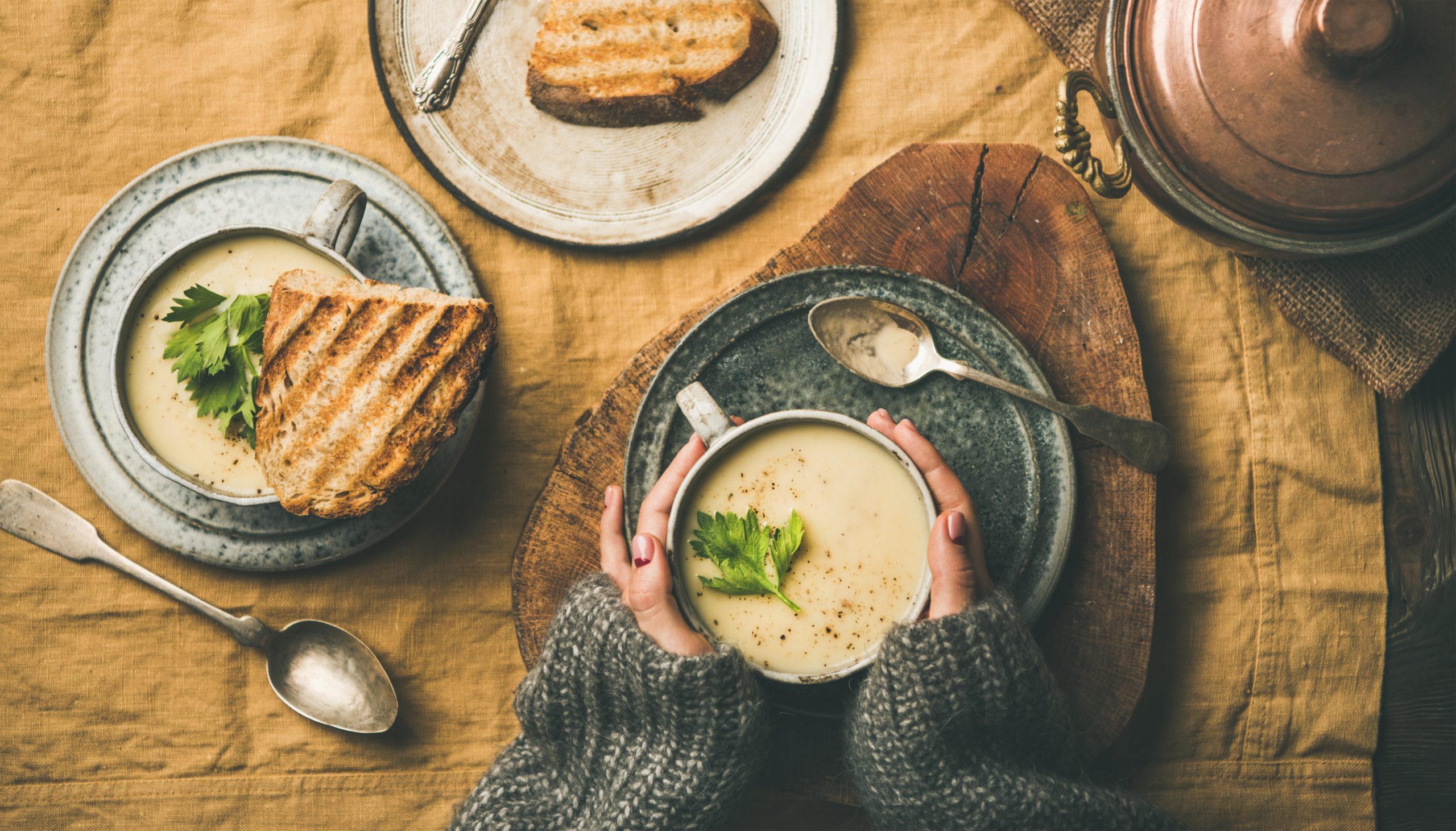
Winter can make everyday routines feel harder. Shorter days, colder mornings and a natural pull toward heavier comfort foods can all affect how we plan meals, move our bodies and care for our general wellbeing. Rather than aiming for perfection, it can help to focus on simple, realistic strategies that make nourishing meals easier to prepare and enjoy.
Choose Warm, Balanced Meals
One of the most practical winter habits is leaning into warm, balanced meals such as soups, stews, casseroles and curries. These meals can be a simple way to include protein, vegetables, legumes, whole grains and plenty of flavour in one dish. Seasonal produce such as cauliflower, pumpkin, carrots, leeks, cabbage, kale, citrus fruit, kiwi fruit and pears can also make winter meals more varied, affordable and satisfying.
Focus on Key Nutrients
When planning meals, aim to include a source of protein where possible, such as eggs, fish, lean meat, legumes, tofu or Greek yoghurt, along with fibre-rich carbohydrates such as oats, barley, brown rice, lentils, chickpeas or root vegetables. Key nutrients such as vitamin C, vitamin D, zinc and iron also play important roles in general health. If you are concerned about your vitamin D, iron levels or whether supplementation is appropriate, speak with your GP for personalised advice.
Keep It Practical
Winter can make routines more challenging, but small, practical steps can help you maintain consistency. Planning a few meals ahead, cooking in batches, using frozen vegetables and keeping nourishing snacks available can all make balanced choices feel more manageable. If you would like personalised guidance this winter, you can book an appointment with an Alevia clinician to discuss your individual needs and whether our services are appropriate for you.
Winter Recipes to Try
The recipes below are warm, simple and designed to make meal preparation feel more manageable during the colder months. Nutrition values are approximate and may vary depending on the ingredients and brands used.
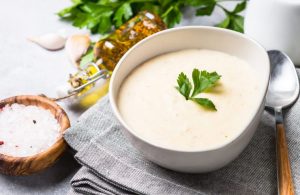
Cheesy Cauliflower and Chicken Soup
Cheesy Cauliflower and Chicken Soup
Serves: 3
Prep time: 10 minutes
Cook time: 22 minutes
Approx. nutrition per serve: 353 calories, 16g carbohydrates, 46g protein
Ingredients
- ¾ onion, roughly chopped
- 2 tsp olive oil
- 4.5 cups reduced-salt chicken stock
- ¾ head cauliflower, roughly chopped
- 300g cooked chicken, shredded
- 1.5 cups skim milk
- ½ cup shaved parmesan cheese
Method
In a medium saucepan, sauté the onion in olive oil until softened. Add the chicken stock and cauliflower, bring to the boil, then simmer for 10 minutes or until the cauliflower is well cooked. Allow the mixture to cool for around 15 minutes before blending with the milk, parmesan cheese and shredded chicken until smooth and creamy.
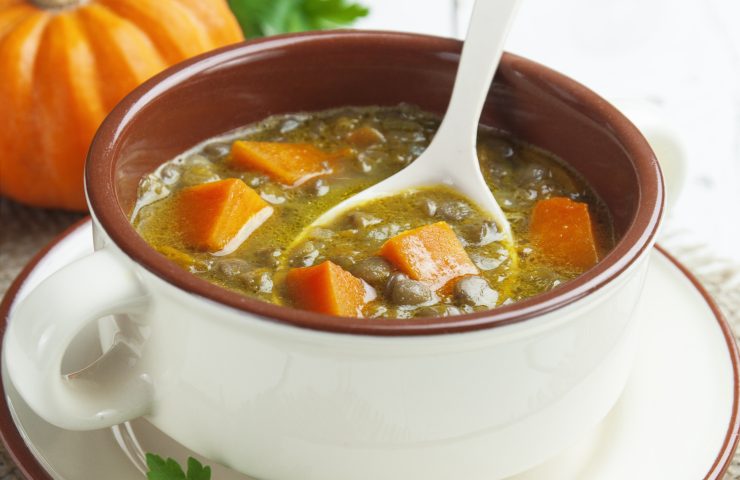
Chicken, Pumpkin and Lentil Soup
Chicken, Pumpkin and Lentil Soup
Serves: 3
Approx. nutrition per serve: 310 calories, 28g carbohydrates, 36g protein
Ingredients
- 500g pumpkin, peeled and cubed
- 400g tinned lentils, drained and rinsed
- 300g rotisserie chicken, shredded
- 1 onion, diced
- 2 cloves garlic, minced
- 1.5L vegetable stock
- 1 tsp cumin
- 1 tbsp olive oil
- Salt and pepper, to taste
- Greek yoghurt, to serve, optional
Method
Heat the olive oil in a pot and sauté the onion until soft, around 3–4 minutes. Add the garlic and cook for another 30–60 seconds. Add the pumpkin, lentils, chicken, cumin and stock. Bring to the boil, then reduce the heat and simmer for 15–20 minutes, or until the pumpkin is soft. Season with salt and pepper. Blend until smooth or leave chunky, depending on your preference. Serve warm with Greek yoghurt, if using.
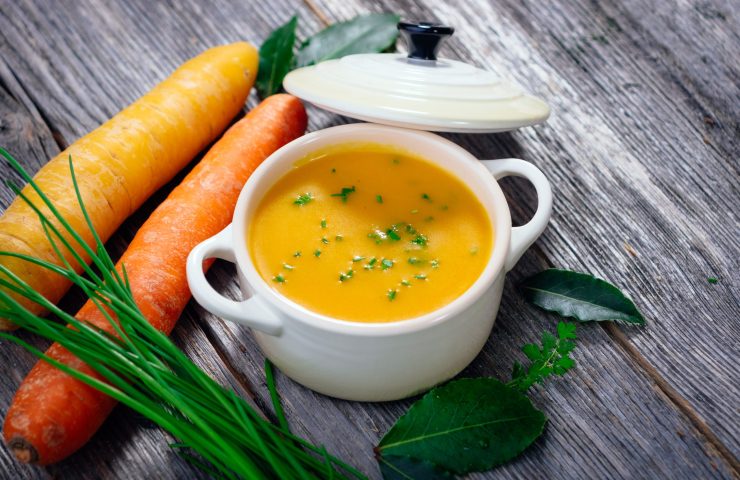
Speedy Carrot Soup
Speedy Carrot Soup
Serves: 3
Prep time: 5 minutes
Cook time: 20 minutes
Approx. nutrition per serve: 128 calories, 13g carbohydrates, 2g protein, 6g fat
Ingredients
- 1 onion, roughly chopped
- 1 tbsp olive oil
- 6 medium carrots, peeled and roughly chopped
- 500ml salt-reduced vegetable stock
Method
Sauté the onion in olive oil in a saucepan until translucent. Add the carrots, stock and any seasonings you are using. Bring to the boil, then simmer for 15 minutes or until the carrots are tender. Allow the mixture to cool slightly before blending.
For a more balanced meal, serve with a protein source such as Greek yoghurt, shredded chicken, lentils, tofu, eggs or a side of wholegrain toast with cottage cheese.
A Final Note
This article provides general information only and is not a substitute for personalised medical or dietary advice. Individual needs and outcomes vary. If you would like personalised guidance, you can book an appointment with an Alevia clinician to discuss your individual needs and whether our services are appropriate for you.