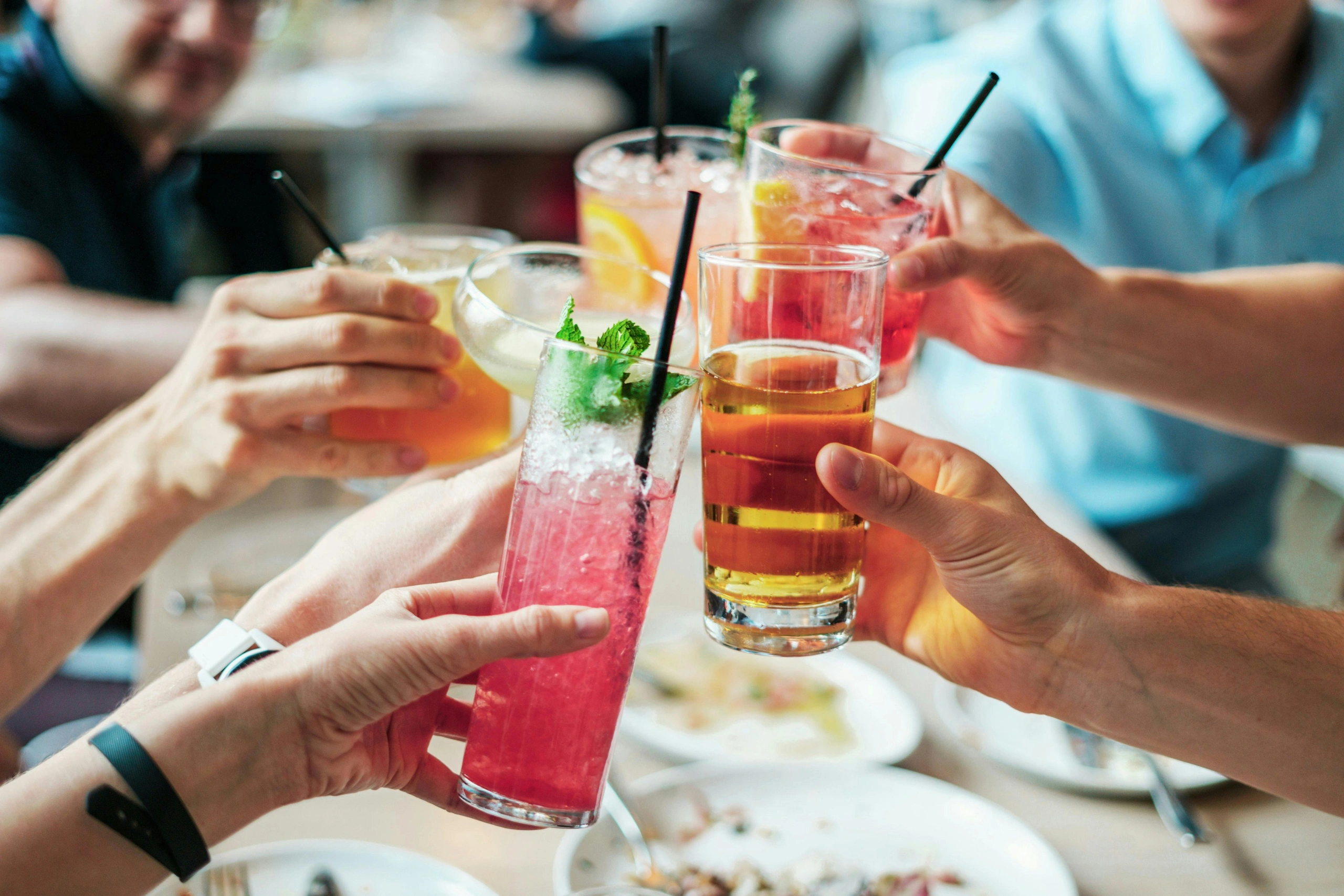
“Can I still have a drink?” comes up more than people expect in obesity care.
It depends on your context.
Alcohol is optional, while side effects and safety are not, and when you combine alcohol with appetite-suppressing or nausea-provoking medicines, the trade-off usually lands on comfort, hydration, sleep quality, and occasionally genuine medical risk, which is why I prefer a cautious default rather than a cheerful yes.
If you do drink, treat it like a decision, not a reflex.
This article is general information and not personal medical advice. Treatment decisions should be made in consultation with a qualified health professional. Individual suitability varies and requires clinical assessment.
No DIY medication changes.
Don’t stop or change prescription medicines without medical advice.
If you’re using prescription weight-management treatment, it’s worth checking with your prescriber before drinking, because the “right” answer depends on your medical history, your other medicines, and how your body is responding so far, and that context rarely survives a quick internet search.
Why Alcohol Can Hit Differently On Weight Loss Treatment
Not everyone notices a change.
But many people do.
Alcohol can feel stronger or more unpleasant for some people on treatment because nausea, reflux, slower stomach emptying, reduced appetite, and lower overall food intake can all shift how your body handles alcohol, and the result is often less “relaxing glass of wine” and more “why do I feel queasy and tired already,” which is not exactly worth the calories or the headache.
From a long-term management perspective, alcohol can also quietly erode the structure you’re building around hunger, sleep, and recovery, even when the scale refuses to give you immediate feedback.
It Depends On The Type Of Medicine
This is not one-size-fits-all.
Read that again.
Some prescription weight-management medicines come with specific cautions around alcohol because alcohol can worsen drowsiness, dizziness, slowed reaction time, or mood effects, and that’s not a moral issue; it’s a safety issue that affects driving, falls risk, and decision-making when you’re already not feeling your best.
Healthdirect’s overview is a sensible reminder that alcohol can amplify side effects and create avoidable risk, even when people assume “a little won’t matter.”
GLP-1 Medicines: The Practical Risks People Miss
This gets oversimplified online.
Timing matters more than rules.
Dose changes are often when side effects are more noticeable, and alcohol can amplify nausea, reflux, dehydration, and poor sleep, so even when there’s no dramatic “interaction,” the lived experience can be rough, and in practice I see people blame the medicine when the real culprit was the medicine plus a few drinks plus minimal dinner, which is a very predictable recipe for feeling awful.
There’s many people who only realise after the fact that “tolerance” isn’t just about alcohol, it’s about food intake, hydration, and how much physiological wiggle room you’ve got that week.
Pancreatitis: Keep The Urgency, Keep The Nuance
Rare, not routine.
Don’t bargain with red flags.
Online discussions can make this feel either overblown or dismissed, and neither helps, because pancreatitis is uncommon and causality can be hard to pin down from individual stories, yet severe upper abdominal pain with persistent vomiting or fever is never something to “push through,” regardless of what medicine you’re on.
Some large analyses have not shown a clear increased overall risk in certain datasets, while other research suggests a modest increase in risk depending on the population and comparator, so I treat the evidence as evolving and I treat symptoms as urgent.
A Safer, Real-World Approach If You Choose To Drink
Be boring about it.
Less is usually easier.
If you choose to drink, a practical starting point is to align with Australia’s national alcohol guidance for healthy adults, pace yourself, eat beforehand, and consider avoiding alcohol during dose-changes when side effects are more likely, because the goal is to reduce avoidable triggers rather than “test your limits,” and even small choices like water between drinks can change the next day.
One misconception I regularly encounter is that “clear spirits are safer,” but in practice, it’s often the alcohol itself plus reduced intake that matters, not the colour of the drink.
When Alcohol Is A Bad Idea
No grey zone here.
Safety first, always.
If you have a history of pancreatitis, significant reflux, liver disease, problematic alcohol use, or you’re taking other medicines where alcohol increases sedation or seizure risk, drinking may be an unnecessary gamble, and it’s better decided with your prescribing doctor than negotiated with social plans, because the downside can be medically meaningful even if the upside is “I don’t feel left out.”
And if you’re already struggling with dehydration from vomiting or poor intake, alcohol tends to take a messy situation and make it messier, even when you wish it wouldn’t.
This article is general information and not personal medical advice. Treatment decisions should be made in consultation with a qualified health professional. Individual suitability varies and requires clinical assessment.
Act early.
Don’t wait it out.
If severe upper abdominal pain occurs, especially with vomiting or fever, seek urgent medical care, because time matters more than certainty in that moment, and it’s always safer to be assessed than to assume it will settle on its own.
FAQs
Can you drink alcohol while on GLP-1 weight loss injections?
Sometimes, but not always.
Caution beats confidence.
Because GLP-1 medicines can increase nausea and slow stomach emptying, alcohol may worsen gastrointestinal symptoms, sleep disruption, and dehydration, so personal risk factors and symptom patterns should guide the decision rather than a blanket rule, even if a friend insists it was “fine for them.”
If drinking repeatedly triggers vomiting, severe pain, or you cannot keep fluids down, that’s a clinical signal, not a nuisance.
Why do I feel alcohol faster on weight loss medication?
It is not in your head.
Bodies are messy.
If you’re eating less, drinking on an emptier stomach, losing sleep, or already mildly dehydrated from side effects, alcohol can feel stronger and more unpleasant, and what looks like “lower tolerance” is often the combination of reduced intake plus a medicine that already nudges nausea and fatigue, which is why planning matters more than pretending the usual rules apply.
The trade-off is simple: you can keep the drink, or you can keep the stability, but often not both at once.
Is one glass of wine safe on weight loss pills?
Often it can be.
But it depends.
Some medicines include specific cautions about alcohol because of sedation, dizziness, or cognitive slowing, and even when that’s not prominent, your health conditions, other medications, and how you’ve tolerated treatment so far should shape the answer, so this is exactly the sort of “small” question that deserves a personalised discussion rather than a confident internet yes.
If you’re unsure, the safest approach is to skip alcohol until things are stable.
What symptoms mean I should stop drinking and seek help?
Trust your red flags.
Don’t negotiate with pain.
Severe upper abdominal pain, persistent vomiting, fever, confusion, fainting, or inability to keep fluids down are reasons to seek urgent medical care, because dehydration and acute abdominal conditions can escalate quickly and it’s not worth trying to self-diagnose when the stakes are higher than a missed social drink.
If you feel significantly unwell, that’s enough to act.
Does alcohol affect nausea and reflux on weight loss treatment?
Yes, it can.
Not always, but occasionally.
Alcohol can irritate the stomach lining and worsen reflux, and if a medicine is already making your gastrointestinal tract more sensitive, the combination can turn mild nausea into something that disrupts eating, hydration, and sleep, which then feeds back into fatigue and poorer appetite regulation the next day.
Sometimes the simplest fix is also the most annoying: less alcohol, earlier in the evening, with food.
References And Standards
- Ahpra, Guidelines for advertising a regulated health service (Dec 2020).
- Ahpra correspondence emphasising s133 risks (5 Aug 2025).
- NHMRC, Australian Guidelines to Reduce Health Risks from Drinking Alcohol (2020).
- Healthdirect Australia, “Medicines and alcohol”. et al., 2025 (peer-reviewed analysis on pancreatitis risk with ts).
- Faour et al., 2025 (peer-reviewed analysis reporting modest increased odds of acute pancreatitis vs comparator).
General information only. Not a substitute for individual medical advice. Nutrition and medication plans are provided following a comprehensive clinical assessment by your treating doctor.