You’ve heard it a million times: “Drink more water!” But does it actually help with weight loss, or is it just something people say when they don’t have better advice?
Let’s look at what the science actually says – and what you can realistically expect if you up your water intake.
The Short Answer
Water isn’t going to magically melt away the kilos. But it can support your weight loss efforts in some genuinely useful ways. Think of it as a supporting player, not the star of the show.
Here’s how it helps:
It Fills You Up (Before You Fill Up)
Drinking about 2 cups of water about 30 minutes before meals can help you feel fuller, which means you might naturally eat a bit less. Your stomach has stretch receptors that signal “hey, we’re getting full here” before you’ve even started eating.
A study from the University of Birmingham tracked overweight adults who drank water before meals. Over 12 weeks, they lost about 4.5 pounds more than people who didn’t change their water habits. That’s not dramatic, but it’s not nothing either.
The play: Keep a water bottle near wherever you eat. Drink a glass before you sit down for meals. Make it part of your routine.
You’re Probably Confusing Thirst with Hunger
Your brain isn’t always great at distinguishing between “I need water” and “I need food.” Sometimes what feels like hunger is actually thirst wearing a disguise.
Before you grab a snack, try drinking a glass of water and waiting 10-15 minutes. If you’re still hungry, you’re probably actually hungry. If not, you just saved yourself some unnecessary calories.
Cold Water Slightly Boosts Your Metabolism
When you drink cold water, your body has to warm it up to body temperature. This process (called thermogenesis) burns a small amount of calories – about 20 calories per 2 cups of cold water.
Is that a lot? No. Will you lose weight from this alone? Also no. But small things add up over time. If you’re drinking 8-10 glasses of cold water daily, you’re burning an extra 40-50 calories just from the warming process.
It’s the equivalent of a few extra minutes of walking. Not game-changing, but not worthless either.
You Perform Better When You’re Hydrated
Ever tried exercising when you’re dehydrated? It sucks. You tire faster, your strength drops, and your motivation tanks.
Even a 2% drop in hydration can measurably hurt your athletic performance. And worse performance means fewer calories burned, weaker workouts, and slower progress toward your goals.
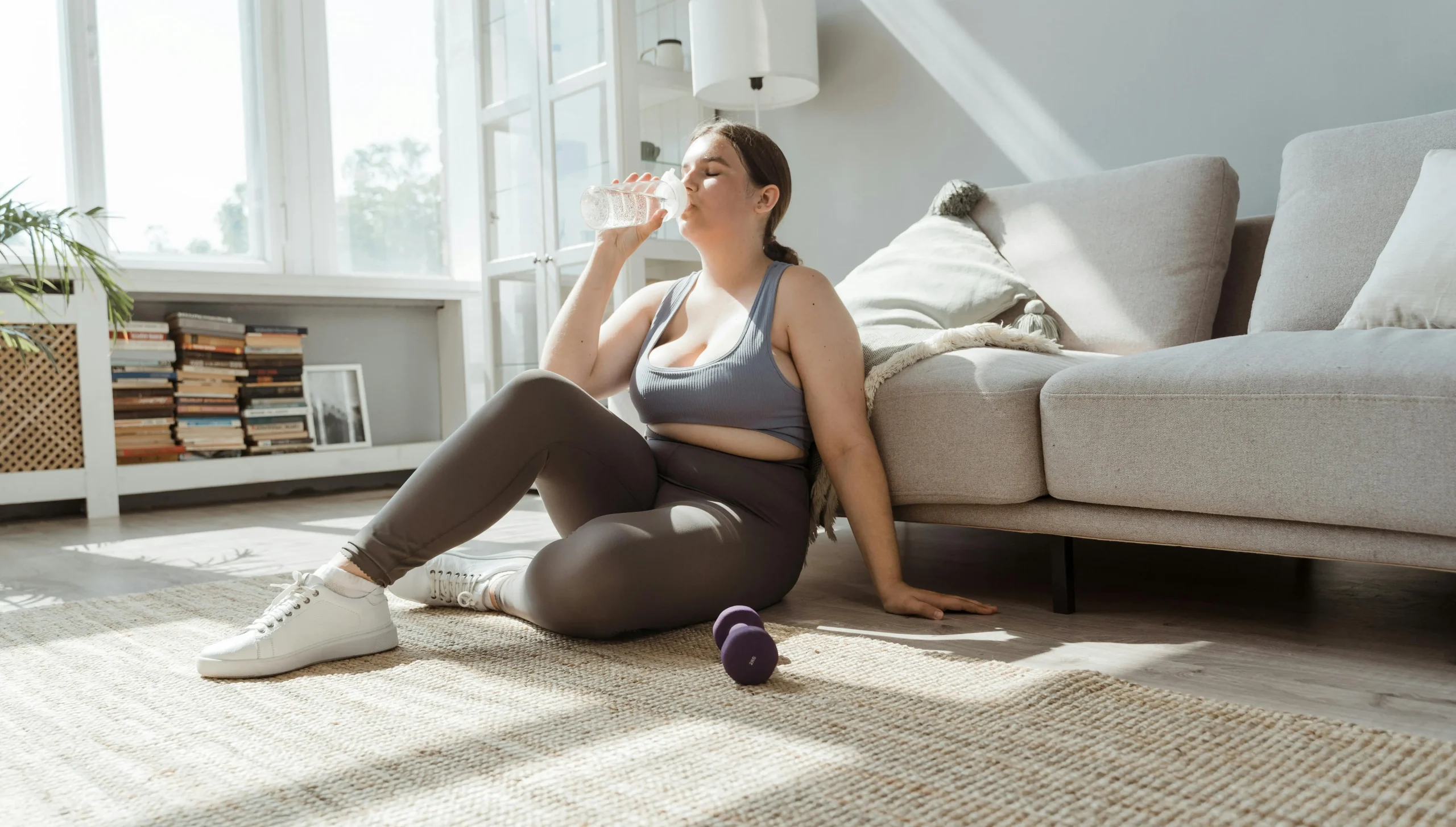
The play: Drink water before, during, and after exercise. If you’re doing intense or long workouts, you might need electrolytes too – but watch out for sugary sports drinks.
You’ll Cut Liquid Calories (If You Replace Other Drinks)
This is probably water’s biggest contribution to weight loss. If you’re currently drinking soft drinks, juice, fancy coffee drinks, or other high-calorie beverages, swapping them for water can save you hundreds of calories daily.
Two cans of soft drink = about 300 calories. Do that every day, and you’re looking at 9,000 calories a month. That’s roughly 0.9–1.4 kg of potential weight loss, just from changing what you drink.
A Harvard study backed this up: people who replaced sugary drinks with water over six months lost about 1.36 kg more than those who didn’t.
How Much Should You Actually Drink?
The standard advice is about 8-10 cups (2-2.5 liters) per day. But this isn’t a hard rule – it depends on:
- How much you exercise
- How hot your climate is
- Your body size
- What you’re eating
If you’re working out hard or living somewhere hot, you need more. If your pee is pale yellow, you’re probably good. If it’s dark yellow or amber, drink more water.
Making Water Less Boring
Look, plain water can get old. If you find yourself avoiding it because it’s boring, here are some ways to jazz it up without adding calories:
- Lemon or lime slices
- Cucumber slices
- Fresh mint leaves
- Frozen berries
- A splash of fruit juice (like a millilitre in a full glass)
Sparkling water counts too. Just avoid anything with added sugar or artificial sweeteners if you’re trying to retrain your palate away from sweetness.
Practical Tips That Actually Work
Start your day with water. Before coffee, before breakfast – drink a full glass. You’re dehydrated from sleeping, and it kickstarts your hydration for the day.
Keep it visible. Get a reusable water bottle you actually like and keep it on your desk, in your bag, wherever you spend time. What you see, you drink.
Set reminders. If you constantly forget to drink water, set hourly phone reminders. Sounds annoying, but it works.
Track it if you’re a data person. Apps can help you monitor intake. Seeing progress motivates some people.
Make it a habit trigger. Link water drinking to things you already do. Finished a meeting? Drink water. Got up from your desk? Drink water. Creating these connections makes it automatic.
Your Hydration Checklist
- Daily goal: 8-10 cups (adjust for activity and climate)
- Before meals: Drink a glass 30 minutes before eating
- Differentiate thirst from hunger: Try water first when you think you’re hungry
- Stay hydrated for workouts: Drink before, during, and after exercise
- Replace high-calorie drinks: Swap soda/juice for water
- Add flavour if needed: Use fruit, herbs, or cucumber
- Keep water accessible: Have a bottle with you always
Common Questions
Can I drink too much water?
Yes, but it’s rare. You’d have to drink several litres in a short time. For most people, drinking when thirsty and aiming for 8-10 glasses daily is perfectly safe.
Does coffee or tea count toward my water intake?
Yes, actually. Despite myths about caffeine dehydrating you, research shows caffeinated drinks still contribute to your daily fluid intake. Plain water is ideal, but tea and coffee count too.
What if I hate drinking water?
Start small. Replace one sugary drink with water. Add flavor. Use a straw (somehow this makes people drink more). Build up gradually. You’ll adapt.
Will drinking water before bed make me wake up to pee?
Possibly. If this bothers you, front-load your water intake earlier in the day and taper off a couple hours before bed.
The Real Talk
Water is not a weight loss miracle. You can’t drink water and expect fat to vanish. It doesn’t work that way.
But water does four genuinely helpful things:
- It helps you eat less if you drink it strategically
- It replaces high-calorie drinks that were sabotaging your progress
- It keeps you performing well in workouts
- It supports your metabolism (slightly)
The University of Birmingham research showed an extra 4.5 metric lost over 12 weeks just from pre-meal water. The Harvard study found 3 xx more lost over six months from replacing sugary drinks. These aren’t huge numbers, but they represent meaningful progress – especially when combined with other healthy habits.
Water works best as part of a complete approach: decent nutrition, regular movement, adequate sleep, and stress management. It’s not the magic bullet. It’s the thing that makes everything else work a little better.
If you’re currently drinking little to no water, adding more will likely help. If you’re already well-hydrated, obsessing over drinking even more probably won’t move the needle.
Start with the basics: drink when you’re thirsty, have a glass before meals, and swap high-calorie drinks for water. That alone will get you most of the benefits.
The best approach to weight loss is the one you can actually maintain. If drinking more water fits naturally into your life, great. If you have to force it to the point of misery, you won’t stick with it anyway.
Keep it simple. Stay hydrated. And remember that water is one tool in the toolbox, not the entire workshop.