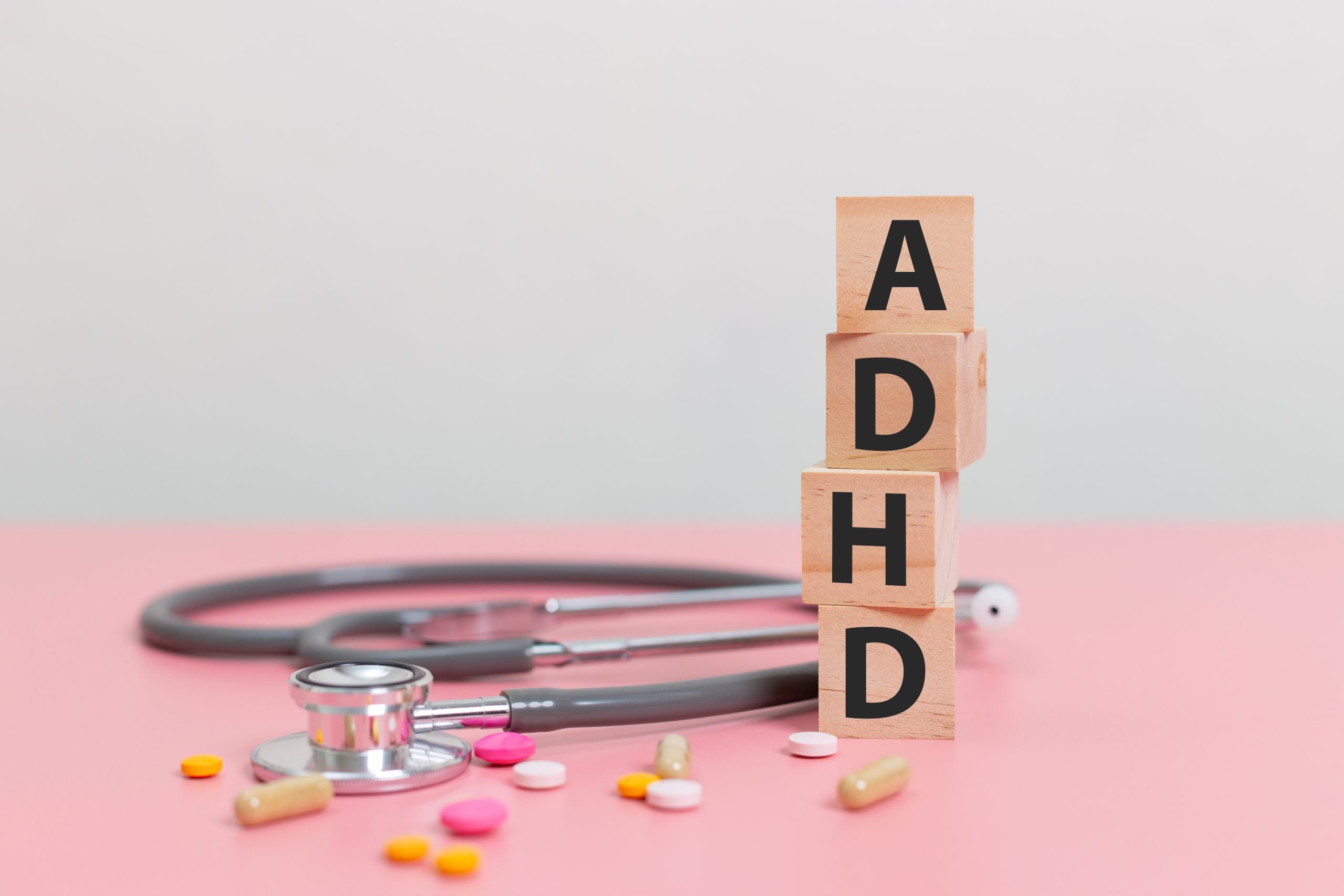
Understanding how they connect – and what you can do about it
At Alevia Medical Weight Loss, we understand that weight is not just about food and movement. For many people, deeper factors – including neurodevelopmental conditions like ADHD – play a powerful role in shaping how and why weight gain occurs.
Research increasingly shows a strong connection between ADHD and obesity. While not everyone with ADHD will struggle with weight, those who do may face unique challenges that require a tailored, compassionate, and medically informed approach.
How ADHD and Obesity Are Linked
ADHD affects attention, impulse control, emotional regulation, and executive function – all of which can influence eating habits, sleep, physical activity, and consistency with routines. Here are some common ways ADHD may impact weight:
Impulsive eating behaviours – Fast, unplanned decisions around food, especially when tired, distracted, or emotionally overwhelmed
Irregular eating patterns – Skipping meals, forgetting to eat, or bingeing after long periods without food
Emotional eating – Using food to self-soothe, particularly during stress, boredom or frustration
Disrupted sleep – Difficulty falling or staying asleep, which affects hunger hormones and energy levels
Dopamine-seeking habits – Craving high-sugar or high-fat foods for a quick brain “reward”
🧠 📥 Download: [How ADHD Can Impact Nutrition (PDF)]
A helpful guide that breaks down how ADHD symptoms influence eating patterns, food choices, and overall nutrition habits.

Why It’s Not a Matter of Willpower
It’s easy to feel frustrated if traditional weight loss plans haven’t worked — but for people with ADHD, those plans often aren’t designed with their needs in mind. ADHD can make it more difficult to:
Stick to meal plans
Plan ahead
Delay gratification
Follow structured routines
This is not about being “lazy” or “undisciplined” — it’s about how your brain is wired. If this is ringing a few bells for you then you may wish to complete these ADHD screening forms and discuss them with your Alevia doctor. The good news? With the right structure, support, and medical guidance, people with ADHD can succeed with long-term weight management.
What Needs to Be Addressed for Long-Term Success
At Alevia, we believe in meeting you where you are. For people living with both ADHD and obesity, success comes from a whole-person approach that includes:
Medical management of ADHD – Treating symptoms to improve focus, motivation, and emotional regulation
Structured yet flexible eating plans – Designed for simplicity, routine, and minimal overwhelm
Psychological support – To help build emotional resilience and reduce reliance on food for coping
Sleep and lifestyle coaching – Tailored guidance for rest, movement, and stress management
Ongoing accountability – Gentle, professional support from a team that truly understands
💡 📥 Download: [Nutrition Hacks for ADHD (PDF)]
This practical resource offers simple, realistic tips for meal planning, snack prep, and managing cravings – designed specifically for ADHD brains.

You’re Not Alone – and You Deserve Real Support
If you’ve struggled with weight and felt like you just couldn’t “stick to it,” ADHD may be playing a larger role than you realise. At Alevia, we don’t offer one-size-fits-all solutions — we offer compassionate medical support from a multidisciplinary team who understands that lasting change comes from addressing the whole person.
We work alongside you to help you gain clarity, confidence, and momentum — not through restriction or judgment, but through personalised care rooted in science and kindness.
📞 Ready to start with the support you deserve?
Book an initial consultation with our experienced team today and take the first step toward sustainable change.