Location update — 16 October 2026: This is a historical article. Maroochydore is not listed among Alevia’s current clinics. Please check our current clinic locations and telehealth options before booking.
The short version
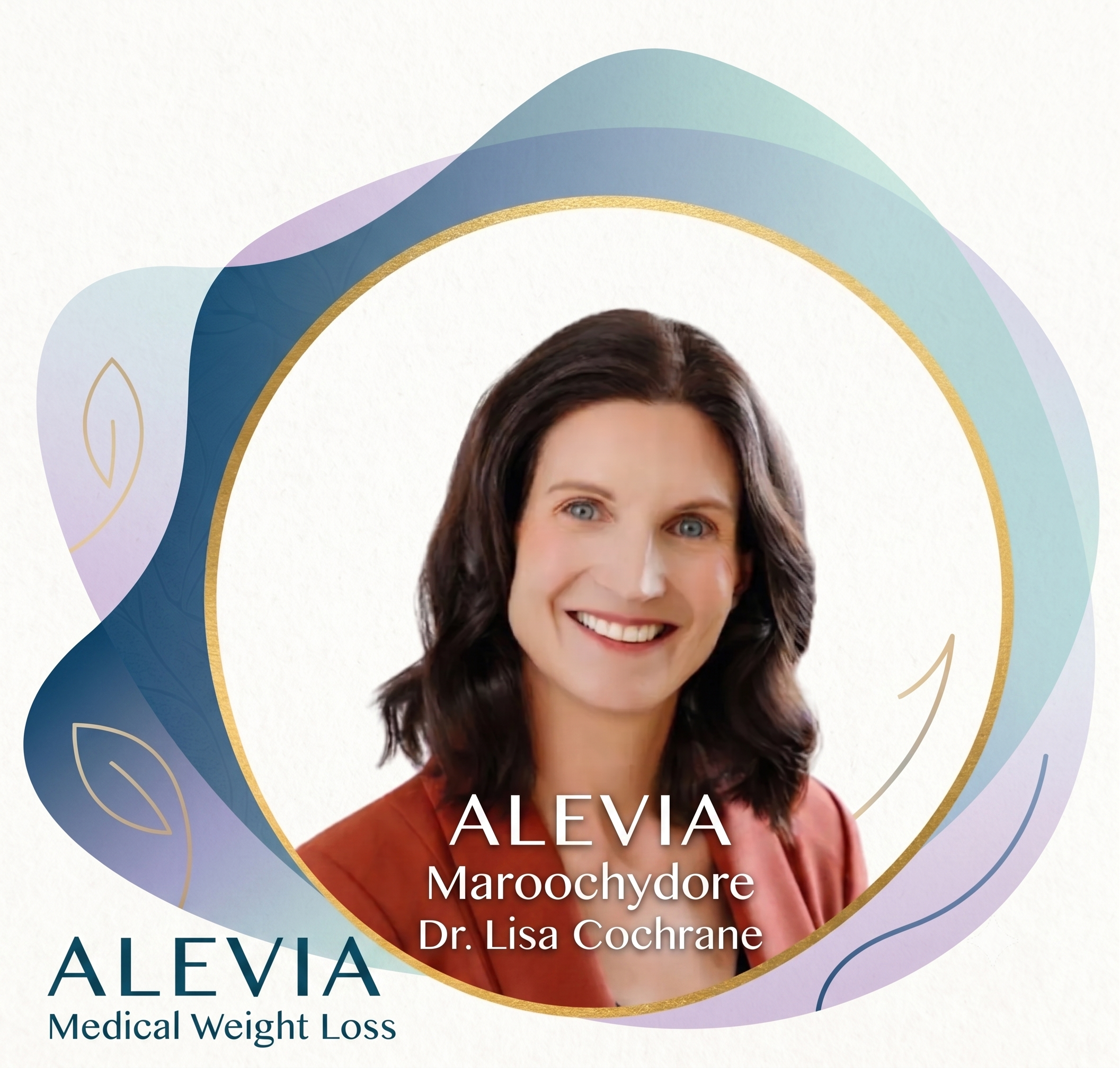
Alevia Medical Weight Loss opened its Sunshine Coast clinic in Maroochydore in May 2026. The original article described the clinic as led by Dr Lisa Cochrane, a GP with more than 20 years of clinical experience and a decade spent practicing right here on the Sunshine Coast. Dr Lisa is an accredited Lifestyle Medicine Practitioner and a member of the Australasian Menopause Society, with a specific clinical focus on weight management, preventive health, and perimenopause and menopause. This article explains what medical weight management involves and why a GP-led, lifestyle medicine approach is different from the other options available on the Sunshine Coast.
Weight Management On The Sunshine Coast
There is no shortage of weight loss clinics on the Sunshine Coast, and that range of options makes it worth being specific about what distinguishes a medical approach from the others. The Alevia model is GP-led, evidence-based, and built around individual clinical assessment rather than a standardised programme. When Dr Lisa opened the Maroochydore clinic this May, it brought that model to the Sunshine Coast for the first time. More detail on the clinic and Dr Lisa’s background is in our Sunshine Coast launch article.
The Sunshine Coast has a large and growing population, a significant proportion of whom are in the perimenopause and postmenopause age range. This demographic carries specific weight management challenges that are hormonal and metabolic in origin, and that are poorly served by generic dietary advice. A clinician with specific training and interest in this area makes a practical clinical difference to the quality of care available.
What A GP-Led Approach To Weight Management Involves
Medical weight management begins with a thorough clinical assessment. A full medical history, a review of current medications that may be contributing to weight gain, an evaluation of hormonal and metabolic factors, and an honest account of what has been tried before and how it has gone. From that assessment, a plan is built that is specific to the individual rather than applied from a template.
This is the part that distinguishes medical weight management from commercial programmes and from surgical pathways. Surgery addresses anatomy. Commercial programmes address calories. Medical weight management addresses the underlying biology: what is driving the weight gain, which systems are involved, and what interventions are actually calibrated to the individual’s clinical picture.
Obesity is a chronic medical condition charactarised by complex biological drivers including genetics, hormonal systems, neurological pathways, and environmental factors. The shame and stigma that has historically surrounded it in clinical settings does real harm and produces worse outcomes. We address this directly in our Shame And Obesity blog, which covers what the evidence shows about weight stigma in healthcare and why a clinical approach without judgement consistently produces better treatment engagement.
Dr Lisa Cochrane: Lifestyle Medicine And The Whole-Person Approach
Dr Lisa Cochrane is an accredited Lifestyle Medicine Practitioner, a credential that distinguishes clinicians who have completed formal training in the evidence-based use of lifestyle interventions including nutrition, physical activity, sleep, stress management, and behaviour change as medical treatments in their own right. This is not a generic interest in healthy living. It is a specific clinical credential that reflects training in how lifestyle factors interact with disease and how to prescribe them systematically.
Her approach is collaborative and individualised. She works with each patient to understand their health goals and build a plan that is realistic for their specific circumstances. Weight management, in her clinical model, is not something done to a patient. It is developed with them, accounting for their lifestyle, their history, and what is sustainable given the practical realities of their life on the Sunshine Coast.
Dr Lisa graduated from the University of Melbourne in 2003 and has spent more than 20 years in general practice. The past decade has been on the Sunshine Coast, which means she is not arriving from elsewhere with a mainland clinical lens. She understands this community because she has been practicing in it.
Menopause, Perimenopause And Weight Management
Dr Lisa is a member of the Australasian Menopause Society, reflecting a specific clinical commitment to menopause and perimenopause medicine. This is directly relevant to weight management for a large proportion of Sunshine Coast women. The hormonal changes of the menopausal transition, particularly the decline of oestrogen, drive a shift in fat distribution toward the abdomen, increase visceral fat accumulation, and create a metabolic environment in which the strategies that worked in earlier life become insufficiently targeted. We cover the biology behind this in our Menopause And Weight Gain article.
The clinical conversations that produces the best outcomes for women in this stage of life are those that account for the full hormonal picture: oestrogen decline, insulin sensitivity changes, sleep disruption, and the psychological weight of navigating significant body changes often without adequate clinical explanation. A GP who has formal training and ongoing engagement with menopause medicine is better placed to have those conversations than one who approaches weight management without that context.
Nutrition, Movement And Behaviour Change
Dr Lisa’s clinical interest in the role of nutrition, movement, sleep, and behaviour change alongside medical therapies reflects the evidence on what produces sustained weight management outcomes. Medication, where appropriate and individually assessed, addresses biology. The lifestyle factors that surround it determine whether improvements are sustained once the clinical picture stabilises.
This is why good weight management care is multidimensional. For women with conditions such as polycystic ovary syndrome (PCOS or PMOS), where insulin resistance is the central driver of both symptoms and weight, the interaction between dietary patterns, exercise type, and medical management is clinically important and requires specific understanding. We cover this in detail in our PCOS And Weight Management master blog, which is relevant for many women who present for weight management on the Sunshine Coast.
Behaviour change is a clinical discipline in its own right. The patterns around eating that develop over years in response to stress, emotional states, and environmental cues do not resolve through information alone. A clinical relationship that takes these patterns seriously, and builds strategies that account for how people actually live, produces more durable outcomes than one that provides a dietary plan and expects adherence.
What To Expect From An Initial Consultation
An initial consultation covers your medical history, previous weight management experience, relevant clinical assessment, and the beginning of a plan built around your specific picture. Individual suitability for any treatment is assessed within the consultation.
The Alevia model is non-judgemental, evidence-based, and individually tailored. Outcomes vary between people, and any discussion of treatment options happens within a clinical assessment that establishes what is appropriate for you specifically.
This article is general information only and not personal medical advice. Obesity assessment and treatment decisions should be made with a qualified health professional after individual clinical assessment. Not all treatments are suitable for every person. Care is individualised and outcomes vary.
Looking Forward
This article describes Alevia’s approach to medical weight management. Please check our current clinic locations and telehealth options for current consultation information.
If you are on the Sunshine Coast and would like to discuss a clinical assessment, please see our current clinic locations and telehealth options.
Book your appointment