The short version
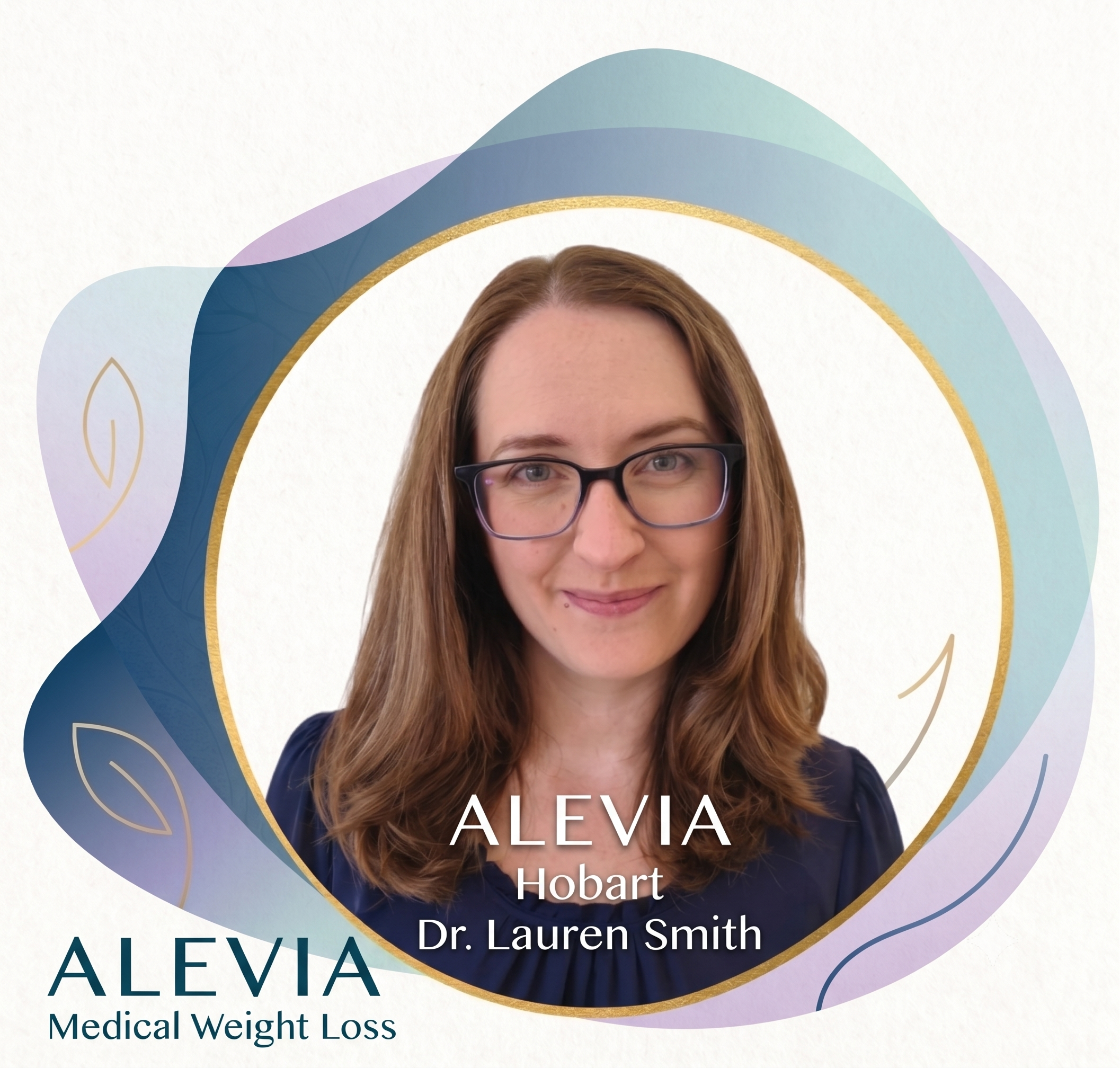
Alevia Medical Weight Loss opened its Hobart clinic in January 2026, bringing evidence-based, medical weight management to Tasmania for the first time under the Alevia model. The clinic is led by Dr Lauren Smith, a GP with 13 years of clinical experience who trained at the University of Tasmania and has spent her career in general practice. This article explains what medical weight management involves, how it differs from generic dietary advice, and what people in Hobart can expect from a clinical approach to obesity.
Why Hobart And Tasmania Needed This
For many Tasmanians, accessing specialist medical support for weight management has historically required travel to the mainland or relying on telehealth services that could not offer the full scope of in-person clinical care. Alevia has offered telehealth support for Tasmanian patients for some time, and that remains available. The Hobart clinic adds something different: a permanent, in-person base led by a doctor who trained in Tasmania and has practiced here for over a decade. More information on Alevia’s broader Tasmania support is available at our Tasmania weight loss page.
Obesity is a chronic medical condition with significant prevalence across Australia, and Tasmania is not exempt from this. It is a condition with complex biological drivers that has historically been managed in clinical settings with dietary advice that was not calibrated to its biological reality. What has changed, both nationally and now locally in Hobart, is the availability of clinical models that take obesity seriously as a medical condition rather than a lifestyle issue.
What Medical Weight Management Means
Medical weight management is different from a diet programme in several important ways. It begins with a thorough clinical assessment: a full medical history, an evaluation of the hormonal, metabolic, and physiological factors contributing to weight, and an understanding of what has and has not worked previously and why. The plan that follows is built from that assessment rather than applied generically.
The conditions that contribute to weight gain include hormonal imbalances, insulin resistance, thyroid function, sleep disorders, medications with weight gain as a side effect, and psychological factors that affect eating behaviour. A clinical approach identifies which of these are relevant to the individual and addresses them specifically. This is why medical weight management produces different outcomes from generic programmes: it engages with the mechanism rather than asking a person to override it through effort alone.
The biological drivers of weight gain, and why standard advice often falls short, are covered in detail across our Shame And Obesity blog, which also addresses why so many people arrive at a weight management clinic having already tried hard and been left feeling as though the failure was theirs.
Dr Lauren Smith And The Hobart Clinic
Dr Lauren Smith leads the Alevia Hobart clinic. She graduated from the University of Tasmania in 2007 and has 13 years of experience in general practice. Her approach to weight management is grounded in listening, in understanding the patient as a whole person, and in building a plan that is realistic and tailored to individual circumstances.
Dr Smith’s clinical focus is on medical weight management and preventive health, with a particular interest in supporting women through perimenopause and menopause, and in managing chronic conditions where excess weight is a significant contributing factor. For women navigating the menopausal transition and the weight changes it brings, our Menopause And Weight Gain article covers the biology behind why this stage of life requires a different clinical approach. She takes a compassionate, whole-person approach, working collaboratively with each patient to build a plan that is realistic and sustainable for their circumstances.
The Alevia model emphasises that weight management is not a one-size-fits-all clinical area. Care is individualised, outcomes vary between people, and any discussion of treatment options happens within a medical consultation that assesses individual suitability. That approach is reflected in how Dr Smith practices.
Tasmania’s Winters And What They Mean For Weight
Tasmania has Australia’s most significant seasonal temperature variation, and Hobart’s winters are significantly colder and longer than those experienced on the mainland. This is clinically relevant for weight management in ways that most general advice does not account for. The biological mechanisms through which reduced daylight, lower temperatures, and seasonal hormonal shifts affect appetite, movement, and energy storage are real and documented. We cover these in detail in our Winter Weight Gain blog, which is particularly relevant for Tasmanians managing their weight through the colder months.
The practical implications include increased appetite driven by melatonin and reduced serotonin, a meaningful drop in incidental movement, and disrupted sleep patterns that affect the hormones regulating hunger and satiety. Managing weight in a Tasmanian winter requires understanding these seasonal drivers rather than assuming that the same approach will work year-round. Clinical support that accounts for these factors produces better outcomes than advice that ignores them.
Conditions That Benefit From Clinical Weight Management
There are a number of conditions where weight management support is particularly relevant and where a medical approach produces meaningfully better results than lifestyle advice alone. Polycystic ovary syndrome (PCOS or PMOS) is one of the most common. Insulin resistance, elevated androgens, and appetite dysregulation all make standard weight management advice insufficiently targeted for women with this condition. We cover the full clinical picture in our PCOS And Weight Management master blog.
Type 2 diabetes and pre-diabetes, cardiovascular risk, sleep apnoea, and conditions affecting thyroid function all intersect with weight in ways that require coordinated medical management. Where multiple conditions are present, a GP with a specific focus on weight management provides a more integrated clinical response than seeing separate specialists without that coordinating role.
What To Expect At Alevia Hobart
The Hobart clinic is located at 110 Argyle Street, Hobart 7000. An initial consultation involves a detailed medical history, a discussion of previous weight management attempts and their outcomes, relevant blood tests and metabolic assessment, and the beginning of a plan that is built around the individual clinical picture.
Ongoing care is structured around the patient’s needs and may involve dietary guidance, exercise recommendations, medication where clinically appropriate and individually assessed, and coordination with other members of the clinical team. The model reflects Alevia’s broader approach: that sustainable weight management requires medical engagement with the full biological picture, not a single intervention applied in isolation.
This article is general information only and not personal medical advice. Obesity assessment and treatment decisions should be made with a qualified health professional after individual clinical assessment. Not all treatments are suitable for every person. Care is individualised and outcomes vary.
Looking Forward
Medical weight management in Hobart is no longer a service that requires travel to access. The Alevia clinic at 110 Argyle Street offers in-person care led by a GP with deep roots in Tasmania and a specific clinical focus on medical weight management, preventive health, and support for women through perimenopause, menopause, and chronic conditions where weight is a significant factor.
If you are in Hobart or elsewhere in Tasmania and would like to discuss a clinical assessment, you can find our clinic details and book through our Hobart contact page.
Book your appointment